
Cash Pickup vs Bank Deposit in Nepal — Which Is Right for Your Family?
Choosing between cash pickup and bank deposit for remittances to Nepal? Cost, speed, accessibility, and which option suits your family's situation.
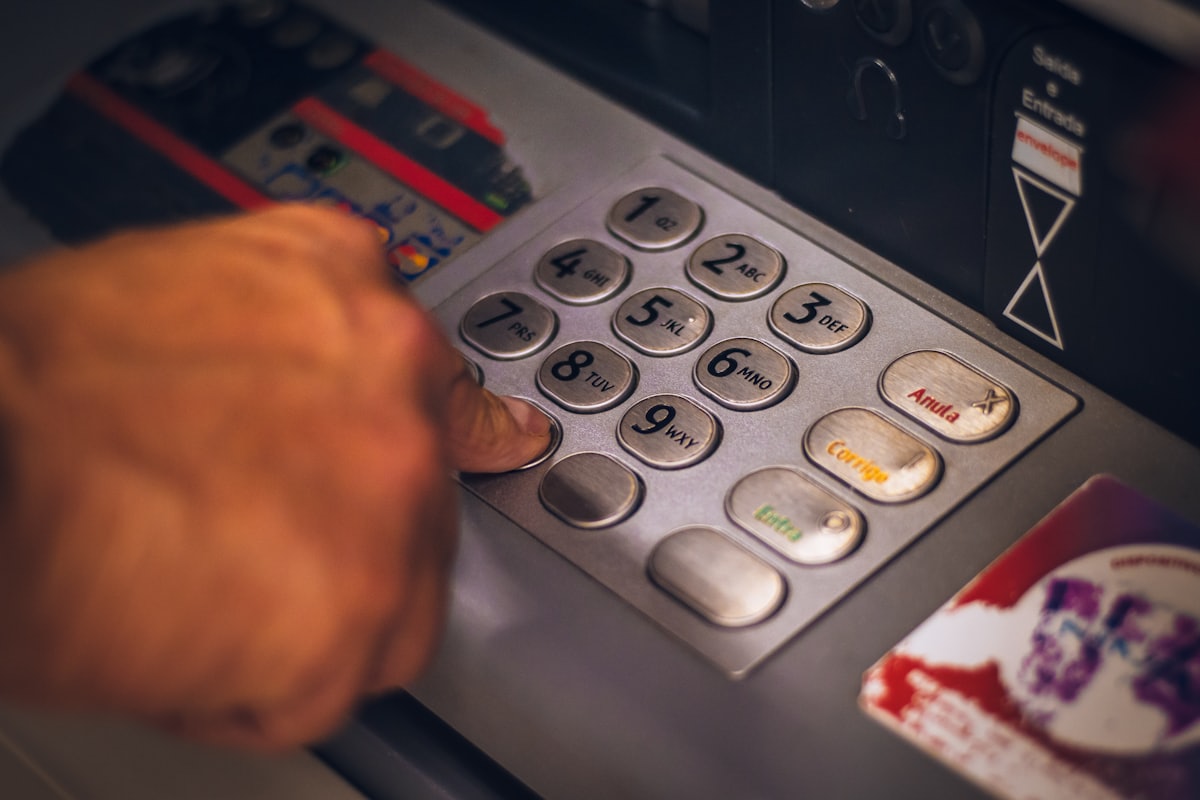
When you send money to Nepal, you have a fundamental choice: pay it directly into the recipient's bank account, or have them collect it as physical cash. Both work. They cost different amounts, take different times, and suit different family situations. This guide walks through both with practical guidance for each.
Bank deposit — the cheapest option
If your recipient has a Nepali bank account, direct deposit is almost always the cheapest way to send money. Wise and Remitly both deliver bank-to-bank with minimal margins. Most major Nepali banks (Nabil, NMB, Global IME, Himalayan, NIC Asia) accept international transfers reliably and credit accounts within 24 hours.
The savings on a typical AED 1,000 / USD 270 transfer compared to cash pickup are around NPR 300–500 — meaningful when remittances are sent monthly.
Cash pickup — when bank deposit is not an option
Many remittance recipients do not have a bank account, particularly in rural districts. Cash pickup remains the most accessible option for those families. Western Union, MoneyGram, and partner exchange-house networks operate at over 7,000 locations across Nepal — most rural villages have at least one agent within 30 minutes.
Speed is often a tie or even faster than bank deposit: cash transfers are typically available within 60 minutes. Cost is usually 0.5–1.5% higher than bank deposit due to wider rate margins on cash networks.
Cost comparison — AED 1,000 to Nepal
- Bank deposit (Wise): ~35,500 NPR
- Bank deposit (Al Ansari Exchange): ~35,430 NPR
- Cash pickup (Western Union): ~35,000 NPR
- Cash pickup (MoneyGram): ~35,050 NPR
Bank deposit saves roughly NPR 400–500 on AED 1,000. On AED 5,000, the saving widens to roughly NPR 2,000–2,500.
Which option suits which family situation
- Recipient has a Nepali bank account in a city: Bank deposit via Wise. Cheapest, fast enough.
- Recipient is in a rural area without a bank: Cash pickup via Western Union or a partner exchange house.
- Mixed situation (some family in city, some rural): Open a single recipient bank account in the city for one family member, and they distribute. Saves on every transfer.
- Emergency and recipient has neither bank nor easy cash access: Mobile-wallet transfers via eSewa or Khalti — increasingly accepted at urban Nepali agent networks.
Practical tips
- If your recipient does not have a bank account, help them open one. The annual saving on remittances usually exceeds the small account-maintenance fees within 2–3 transfers.
- Always confirm the recipient's full name matches their citizenship document for cash pickup — banks and agents are strict on name matches.
- Keep the reference number from every transfer. If a cash pickup is delayed or a bank deposit is held for compliance, the reference is needed to resolve it.
- Use our live comparison for your exact amount — providers list both bank-deposit and cash-pickup costs in the same view.
Frequently asked
Send smarter starting today
Compare 15+ remittance providers on the corridor that matters to you. Live mid-market rates, real fees, and the only number that counts — what your recipient actually receives.
About the author
Aryan Mehta
Senior Remittance Analyst · Remit Seas
Aryan has spent 8 years tracking cross-border payment corridors across the Gulf and Southeast Asia. Before Remit Seas, he worked in FX operations at a UAE exchange house and has personally sent money on 11 corridors. He writes about exchange rate margins, provider fee structures, and how remittance senders can keep more of what they earn.
Keep reading
Related articles
Ready to find the best rate?
Compare every major provider on your corridor in one place — live.
Compare live rates
0 comments